


In an era of soaring airfares and heightened demand for popular locations, it’s little wonder if some couples are rethinking where and when to hold a destination wedding. Many are finding that making even minor adjustments can bring significant savings on everything from room rates to spa treatments without putting a damper on the nuptials of their dreams.
Shoulder Season Having a Moment

Checking shoulder season dates and rates is now a common practice among destination wedding couples, said John Hawks, Executive Director of the Destination Weddings & Honeymoon Specialists Association (DWHSA).
“Shoulder season wedding dates can be a sweet spot between the crowds and costs of high season and the weather issues and limited activities in low season,” he said. “In the Caribbean, for example, the weather in May and June isn’t incredibly hot yet—and popular resorts with fully booked high-season calendars may still have open wedding dates.”
Another recommended strategy among destination wedding specialists is to consider Monday-Thursday for ceremony dates. It’s a way to “lock in lower hotel rates for guests and snag venues that always seem to book up on the weekends,” Hawks added.
Aleesha Allen, Meetings and Special Events Manager at Round Hill Hotel and Villas in Montego Bay, Jamaica, said she has seen a “notable increase” in couples opting for shoulder season, particularly April to May and late October to November over the traditional high season of December to March.

“Here at Round Hill, dynamic accommodation rates allow couples to stretch their budget further, often extending a three-night weekend into a five-to six-night experience for their guests,” she said, adding that other shoulder season advantages include a “private, unhurried” atmosphere, heightened personal attention and greater availability among photographers, entertainers and other vendors.
Some savvy brides are even making adjustments within the shoulder season itself.
For Siobhan Spear, who is getting married at a resort on Florida’s Palm Coast next year, switching from a date in early October to September 24 meant saving almost 50% on overall costs, including discounts on golf and spa treatments for her guests. As a sales manager for a resort hotel herself, Spear was already well versed in how a flexible approach can pay off.

“We were wanting October, but the venue we chose was having a golf tournament then. They told us September would work,” she said. “I was a little hesitant because even early October is borderline hurricane season. But booking just a week away brought us a great list of so many concessions.”
Rise of the “Dupe” Destination
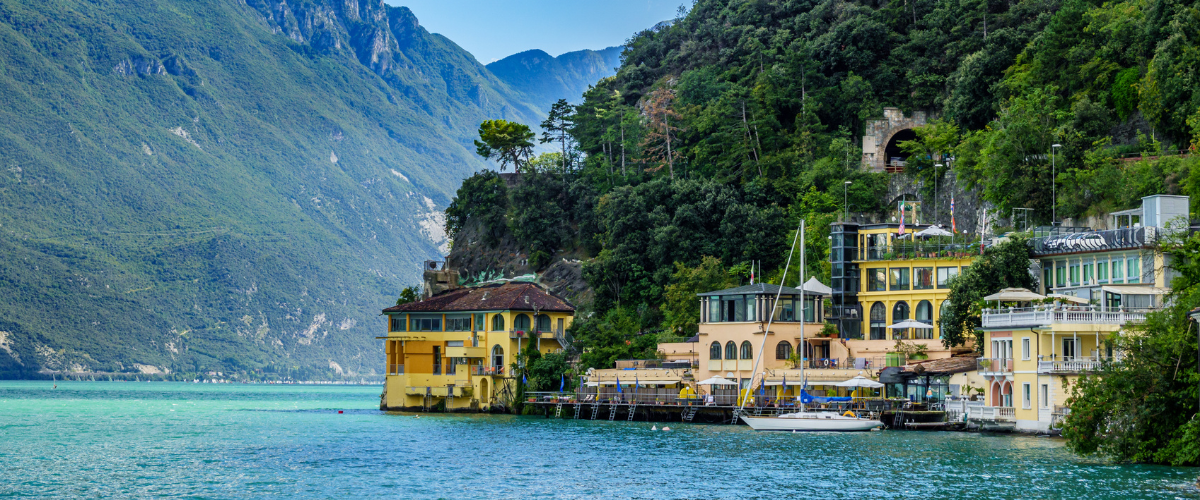
With “overtourism” bringing crowds and sending prices soaring in the most popular destinations, alternative or “dupe” destinations (so-called because they duplicate the experience) are also finding favor. Destination wedding specialists note that this trend is global, with price-conscious couples choosing Paso Robles or San Luis Obispo instead of Napa Valley, Umbria instead of Tuscany, Lake Garda instead of Lake Como, Isla Holbox instead of Tulum or Merida, and Croatia instead of Italy.
The dupe trend has been gathering steam since the end of the COVID-19 pandemic when there was huge pent-up demand to reschedule postponed destination weddings, resulting in high rates and lack of availability in first-choice locations, Hawks explained.

“The challenge is in finding alternatives that offer the same visual vibes as the marquee wedding spots, but with fewer crowds and sufficient wedding infrastructure, from venues to vendors, so that the Plan B option doesn’t feel like a downgrade,” he said.
Closer to Home
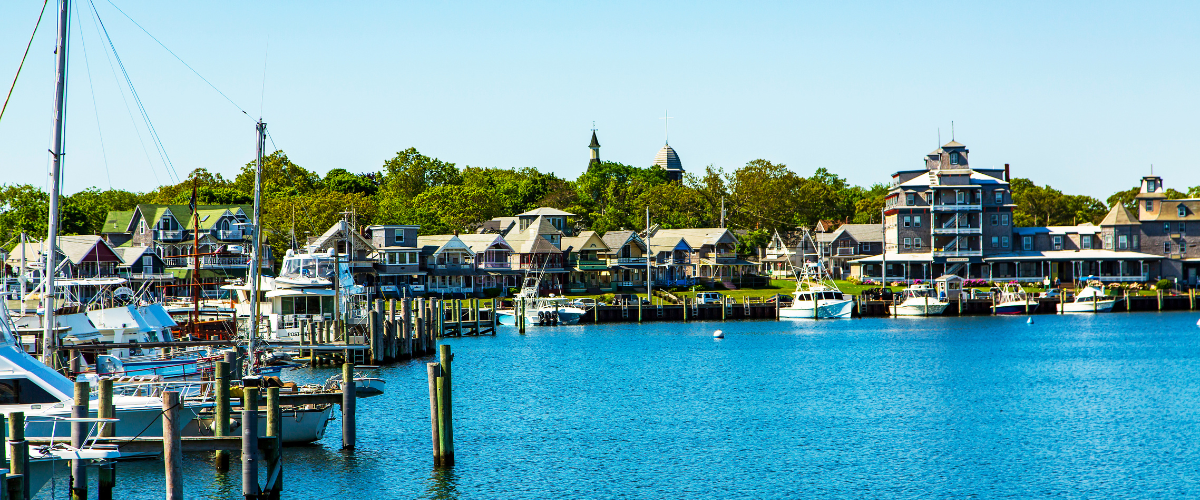
Increasingly, couples are choosing destinations closer to home, partly to avoid high overseas airfares and to be mindful of guests’ work schedules. According to Fora Travel’s recent Wedding and Honeymoon Trend Report, the host agency’s advisers reported a significant rise in weddings booked in U.S. destinations. Leading the charge are Las Vegas at 145%, Montana at 143% and Utah at 113%. The survey reported that New England, particularly Martha’s Vineyard and Rhode Island, and the Carolinas showed impressive gains as well.
Demographics are playing a part in the trend toward domestic locations, said Jennifer Doncsecz, President of VIP Vacations, noting that younger couples are more likely to wed closer to home.

“It all depends on the ages of the couple,” she said. “Millennial and Gen Z are looking for affordability and ease of travel. Couples who are over 40 tend to want more of an experiential wedding, have bigger budgets and want a more unique destination.”
When it comes to destinations outside the U.S., Mexico is the top choice, accounting for 34% of all international destination weddings for U.S. couples, according to The Knot, a digital wedding planning platform. Europe follows with 26% and the Caribbean with 21%.
A boom in air service and airport expansion in Mexico, some of it driven by the recent 2026 FIFA World Cup, bodes well for that country’s continued dominance in the wedding market. Among the new infrastructure is Tulum’s Felipe Carrillo Puerto International Airport, which significantly shortens the two-hour drive from Cancun to resorts along the Riviera Maya.
Airport proximity to a venue plays no small part in its desirability, said Spear, who decided against an otherwise ideal resort because it was an hour-and-a-half away from the nearest airport. The hotel she chose is a shorter drive from two airports.
“I was OK with the distance, but I worried that my guests wouldn’t be,” she said. “Air travel was a big factor—not just in what I want but in what is realistic ad convenient for my guests.”
Are rising airfares casting a shadow over destination weddings this year, particularly in overseas locations? Hawks said the impact is noticeable.
“Rising airfares have definitely affected destination wedding group sizes in Mexico and the Caribbean,” he said. “And for longer-haul destinations, wedding groups these days often turn into destination elopements, with couples livestreaming their ceremonies or throwing receptions when they return home. Our members also report booking more wedding groups with tour operators that can package air with the resort stays.”
Ease of Entry
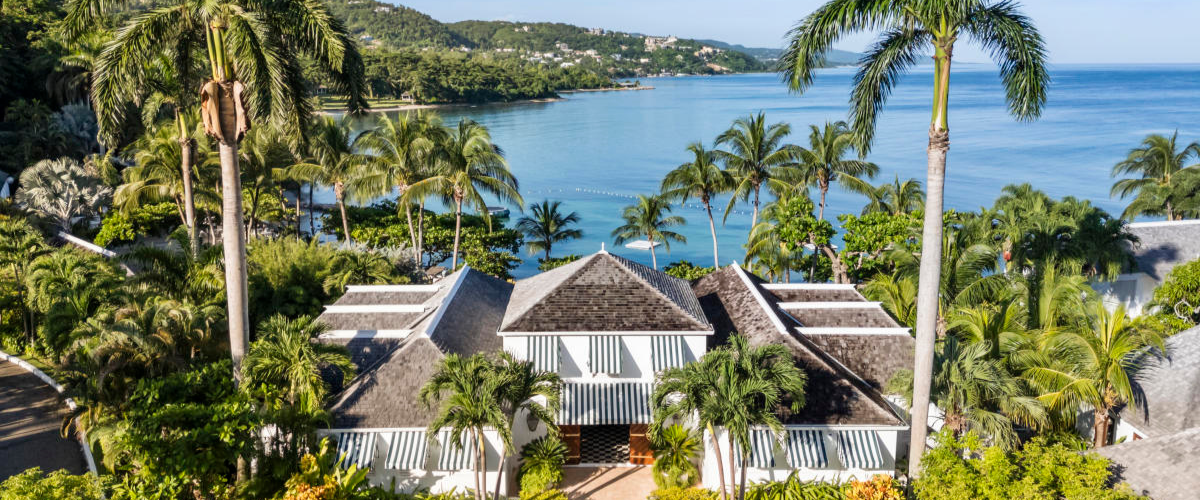
How big a factor is the amount of red tape required to get married in a foreign destination? Allen at Round Hill cites the fact that Jamaica makes it relatively easy for couples to have a legally binding ceremony as a major plus.
“Visitors can legally marry just 24 hours after landing on the island, providing their marriage license application and notarized documentation are submitted in advance,” she said, adding that the resort’s event team handles the license logistics directly with local marriage officers.
Hawks believes that economic considerations are playing a far bigger role in destination choices than red tape. However, he cited Europe’s new Entry/Exit System as a “primary pain point” causing “confusion over how it works and how wedding guests might fix problems that occur on their trips.”
Learn more about Destinations Weddings by ALHI and subscribe to our newsletter.