

Editor’s note: As the United States celebrates its 250th birthday, historic luxury hotels, including several in the ALHI portfolio, offer a front-row seat to U.S. history. This is the first part of a year-long series examining issues and trends that have evolved over the course of American history.
For 250 years, America’s hotels have hosted history.
Hotels have been a part of everything from setting U.S. independence in motion to international treaty signings. They’ve entertained presidents, royalty and the rich and famous. And to celebrate America’s 250th birthday, hotels, including ALHI’s historic properties, are showcasing their past, even as they continue to change with the times.
Hotels are developing new history programming, food concepts and packages themed around the 250th anniversary and local history, said Katherine Orr, Director of Marketing Strategy and Communication for Historic Hotels of America. That programming includes highlighting hotels as public historic sites and connecting social history and hospitality.
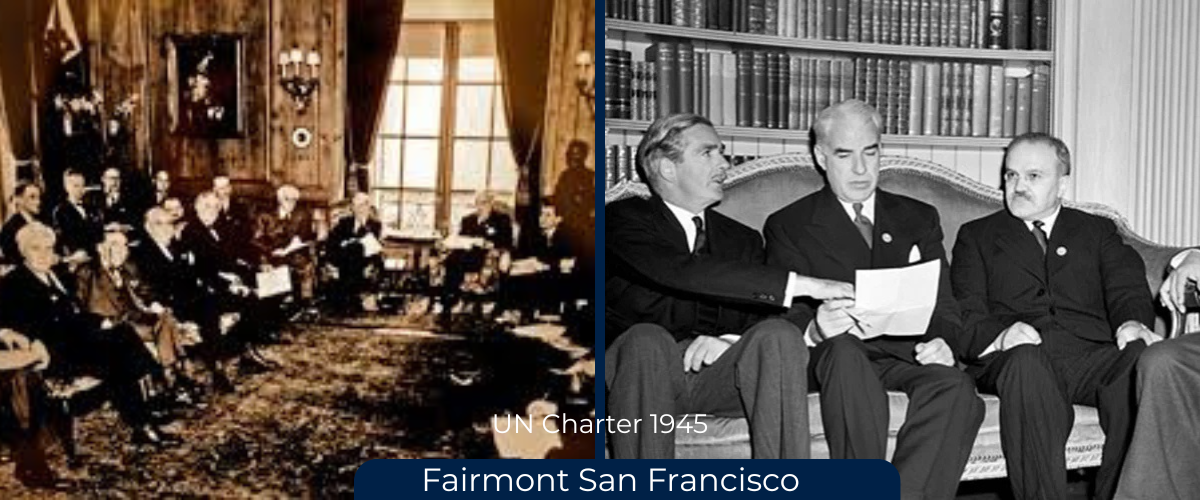
“They’re framing properties like the Fairmont San Francisco (United Nations charter site) and other landmark hotels as places where people can visit, see where history happened, and still enjoy leisure and have a nice time,” she said.
Hotels are also interpreting how people dined, traveled and relaxed in different eras, including changes like women dining out independently,” Orr said.
“Hotels say a lot about the society and the culture that they came out of,” she said. “How they serve and who they serve are important facets of that.”
How hotels have evolved
ALHI’s historic hotels are living case studies in how hotels have evolved over 250 years and how the definition of luxury has changed.
Historically “luxury” has meant introducing something new, and many of these hotels still see innovation as part of their heritage. In 1776, the concept of a "luxury hotel" with high-end amenities didn’t exist in America. The best accommodations were upscale taverns or inns. Luxury centered on more privacy, better food and bedding, and a social gathering place far superior to often unsanitary stagecoach stops.
The rise of the grand hotels began in the 1820s with large hotel buildings that introduced private rooms with locks, indoor plumbing, bellhops and even free soap. Later in the century, electricity and in-room telephones became more common. In the early 20th century, art deco glamor and social prestige began to rise, along with chains like Hilton and Marriott, which standardized luxury.
“Many of our luxury hotels were all cutting edge,” Orr said. “They all had the latest conveniences, were the first to put in an elevator or the first to put bathrooms in every guest room.”
The Omni Homestead Resort in Virgina predates American independence, opening in 1766 to cater to guests who traveled to “take the waters.” A rustic log hotel was built near the mineral springs, and in 1818, former President Thomas Jefferson called it one of the best places in the country to vacation. Now it’s a luxurious resort that boasts several firsts, said Lynn Swann, Director of Marketing and Communications for the Homestead.
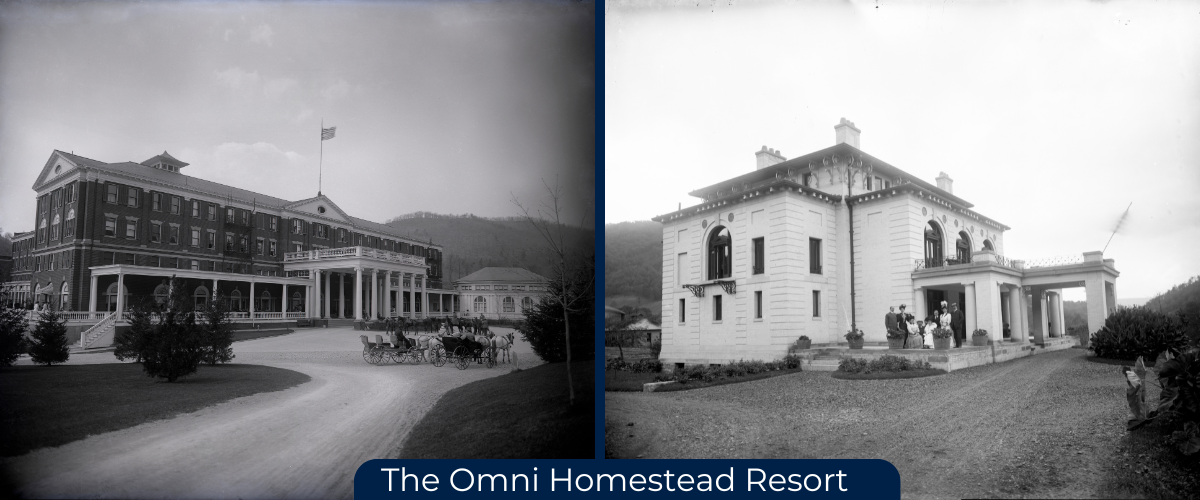
"This resort was founded because people were coming to take the waters and they needed a place to stay,” she said. “And you know, today, people are still coming to take the waters at the Warm Springs pools. That experience, in and of itself, really has not changed since the 1800s."
But even then, guests had their own rooms and meals were provided, Swann said.
“That’s what would be considered luxury back in the late 1700s—different from the norm,” she said. "The accommodations have obviously changed greatly. And if you think about it, we didn't have things like heating and air conditioning back in the 1700s. The resort over the years has always sought to add amenities that would appeal to the guests."
Homestead’s amenities helped define American resorts. In 1892, it opened a golf course that was among the earliest courses in the U.S. In the early 1900s, a large indoor pool also became the first of its size for a resort. In the 1930s, a shooting club was added, followed by tennis courts. More recently, pickleball courts joined the lineup.
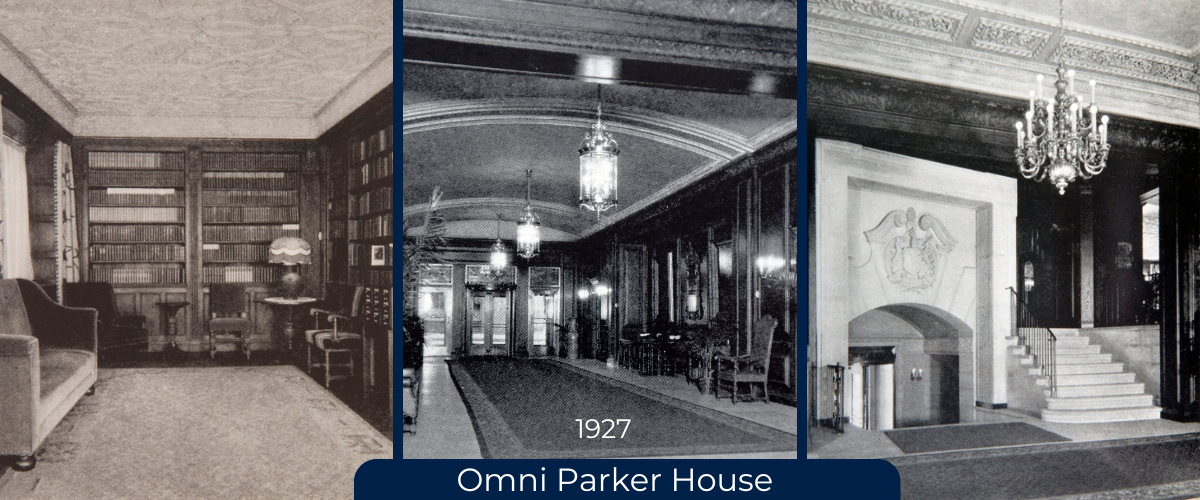
Omni Parker House in Boston, where Henry Wadsworth Longfellow wrote “Paul Revere’s Ride” and Charles Dickens stayed for 40 days putting on “A Christmas Carol,” has been hosting guests for 170 years. The hotel recently completed a $65 million renovation that includes new touches while preserving some of the hotel’s original charm like its rich wood finishings, said Allison Porter, Director of Sales and Marketing at Omni Parker House.
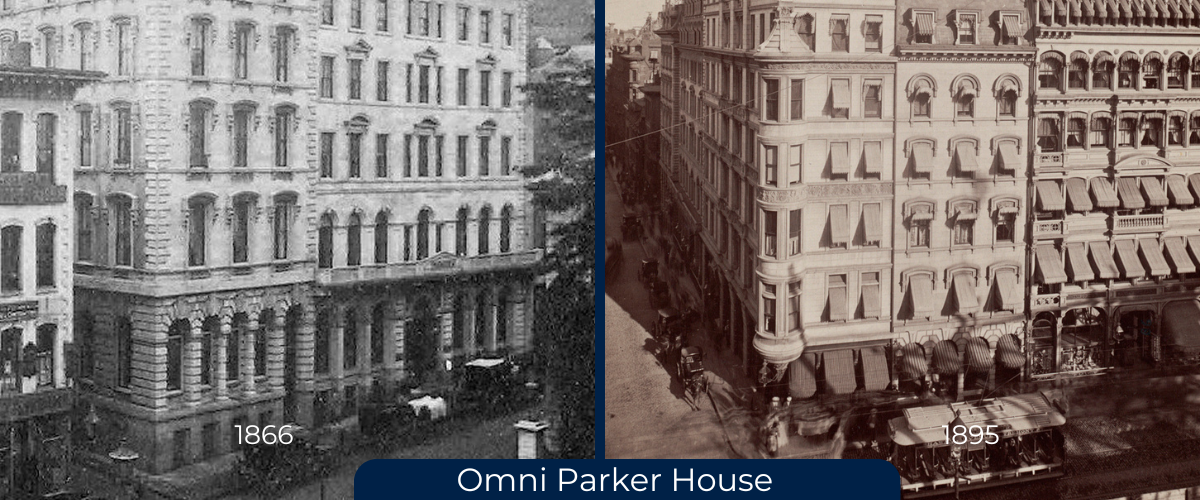
“What defined luxury in 1855 was grand accommodations and a gathering place for great thinkers; today, it’s immersive, history-rich experiences layered onto that foundation,” she said. “Modern amenities, thoughtful design and storytelling-driven programming all work together to keep our legacy relevant for contemporary travelers and meeting planners.”
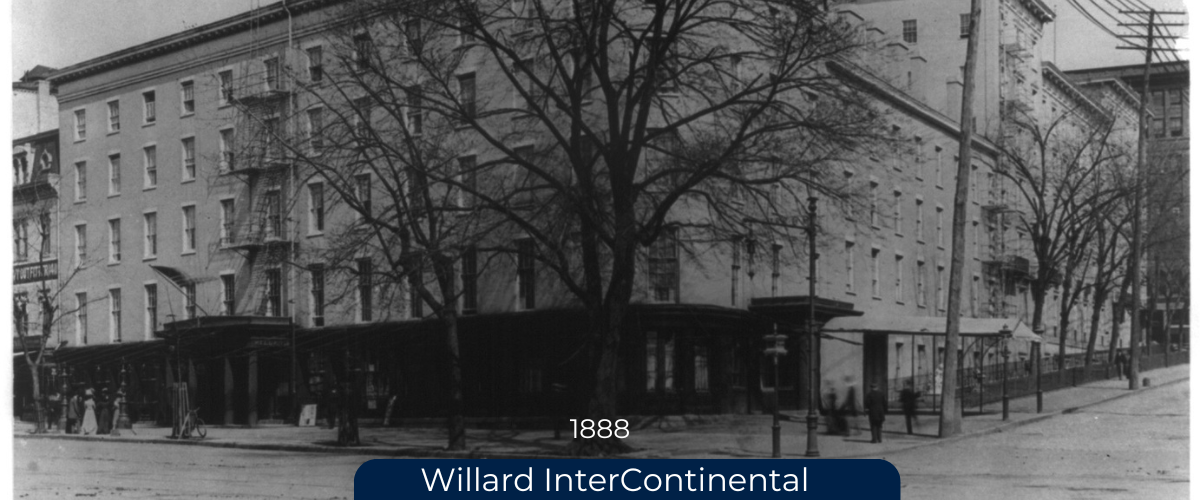
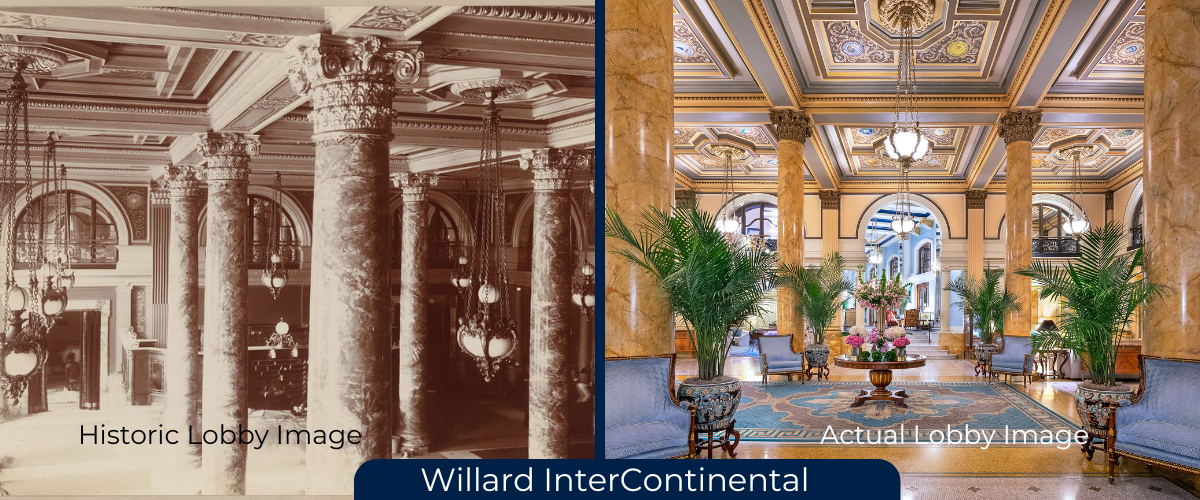
Willard InterContinental in Washington, D.C., has more than two centuries of living history. Abraham Lincoln stayed there the night before his inauguration, and Henry Clay practiced presidential diplomacy while a guest. But it was far from luxurious.
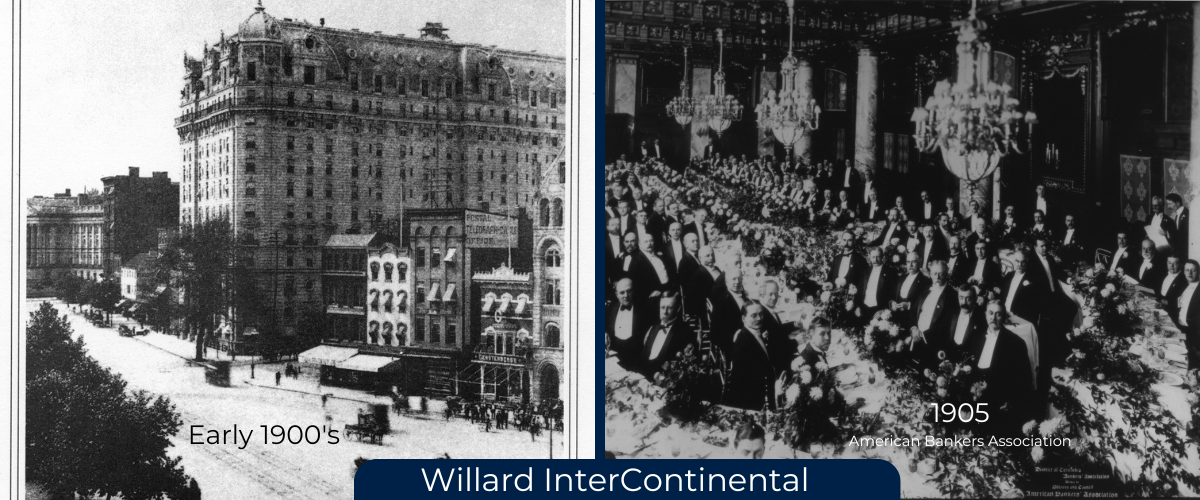
“Willard’s earliest incarnation was a collection of modest row houses,” said Maria Bezdenezhnykh, Senior Marketing and Communications Manager for the hotel. “Over time, through strategic expansion, the construction of the landmark Beaux-Arts building in 1901, and successive restoration efforts, the hotel transformed itself from practical accommodation into one of Washington, D.C.’s most distinguished addresses.”
Fairmont San Francisco opened in 1907 after sisters Theresa Fair Oelrichs and Virginia Fair Vanderbilt decided to build a spectacular boutique hotel in Nob Hill. In 1945, the hotel hosted world leaders who drafted the United Nations Charter in the hotel’s Garden Room.
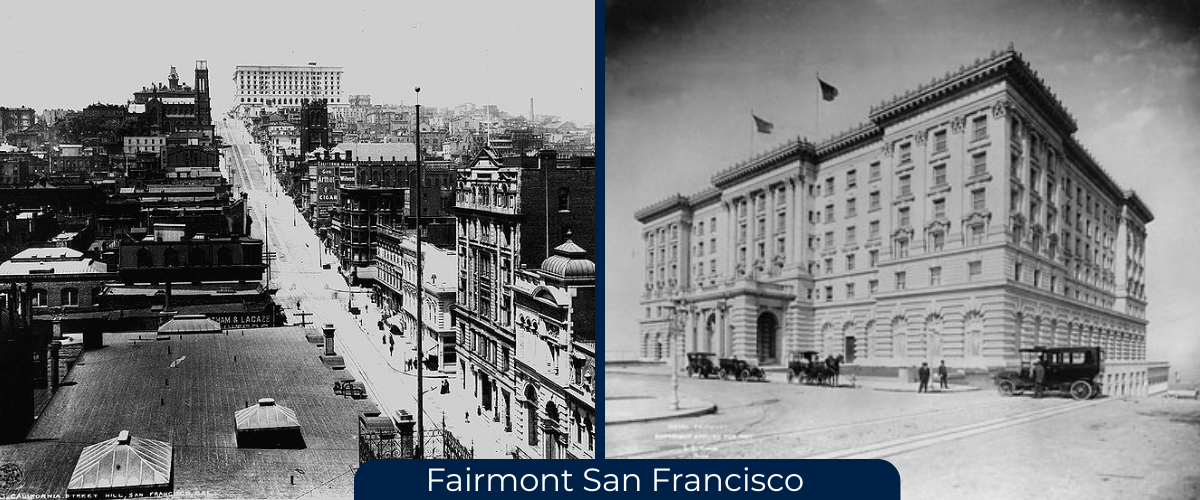
Michelle Heston, Executive Regional Director for Marketing Communications/Public Relations for Fairmont, said the luxury hotel has evolved alongside American culture.
“While we have preserved our architectural heritage and timeless elegance, we have continually modernized our guest rooms, culinary offerings, wellness experiences and technology to meet contemporary expectations,” she said. “The result is a hotel that honors tradition while embracing innovation, reflecting how luxury in America has evolved from opulence alone to a balance of comfort, meaning and connection.”
Colonial Williamsburg Resorts in Virginia has tried to build upon John D. Rockefeller Jr.’s vision of luxury hotels tied to the history and authenticity of 18th century Virginia, said Landon Stulen, Director of Marketing. The architecture and culinary experiences honor Virginia’s agricultural heritage and regional traditions.”
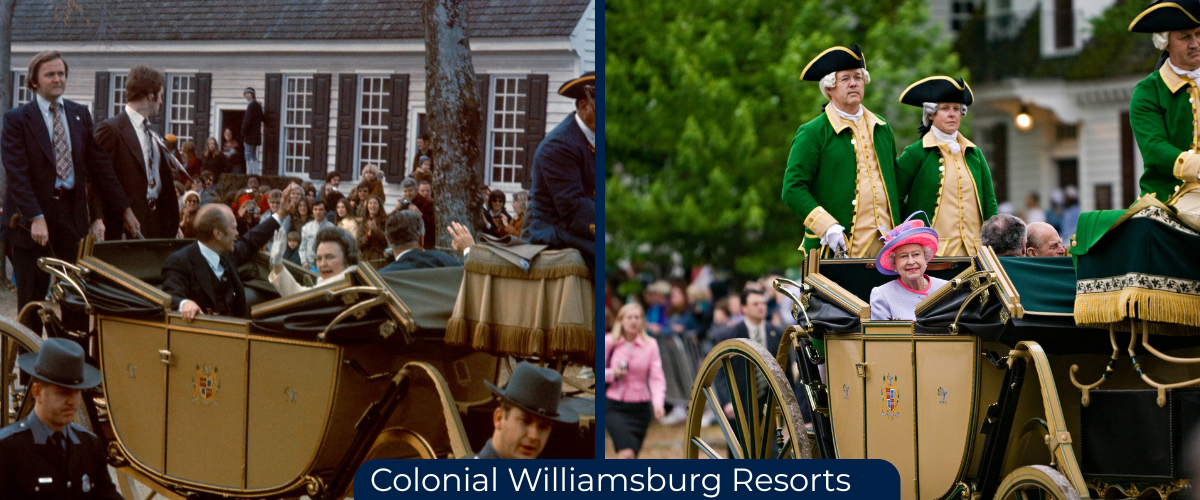
"Today, that evolution allows guests to enjoy refined, contemporary luxury without ever losing the connection to the historic setting that makes Colonial Williamsburg unique,” he said.
How hotels are celebrating America’s 250th
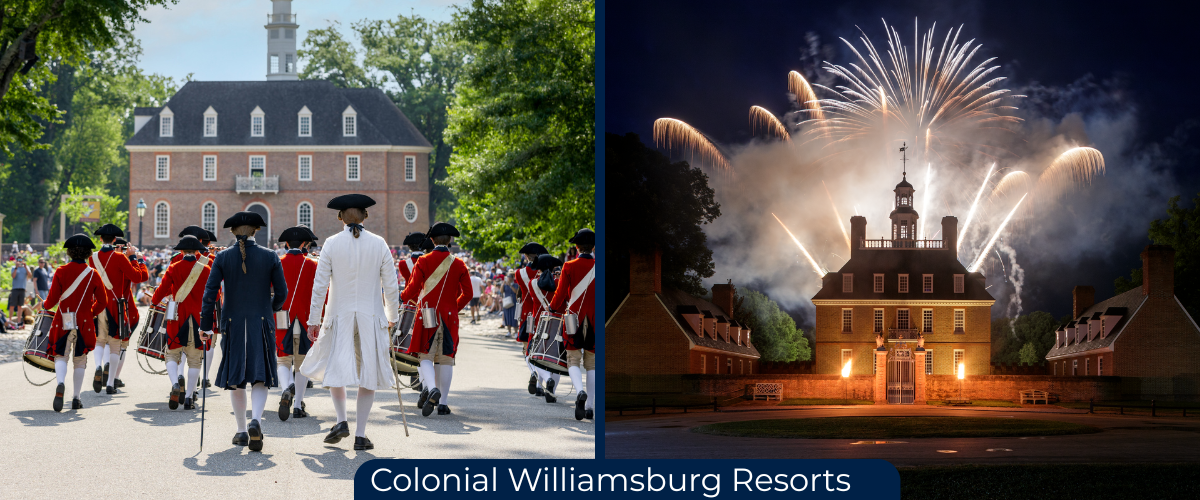
History tours, food, commemorative stays and partnerships with local history and tourism groups are in the works for hotel celebrations of the 2026 semi-sesquicentennial. Some of the plans have been years in the making.
Stulen said the 250th anniversary has been part of Colonial Williamsburg's long-term vision for many years. A year-long calendar of events begins in May with the 5th Virginia Convention, where the call for independence was set into motion. The resorts are also partnering with VA250 and Visit Williamsburg for concerts and events July 2-5. Colonial Williamsburg also will celebrate its 100th anniversary in November, and host the Historic Hotels of America Annual Conference in October.
“We plan to highlight Colonial Williamsburg’s longstanding role as a host for historic gatherings and distinguished guests, including U.S. presidents, global leaders and royalty,” Stulen said.
The resorts hosted the 1983 Williamsburg Summit during President Ronald Reagan’s administration for the G7 Economic summits. Reagan and President Gerald Ford also stayed there, as did Queen Elizabeth II.
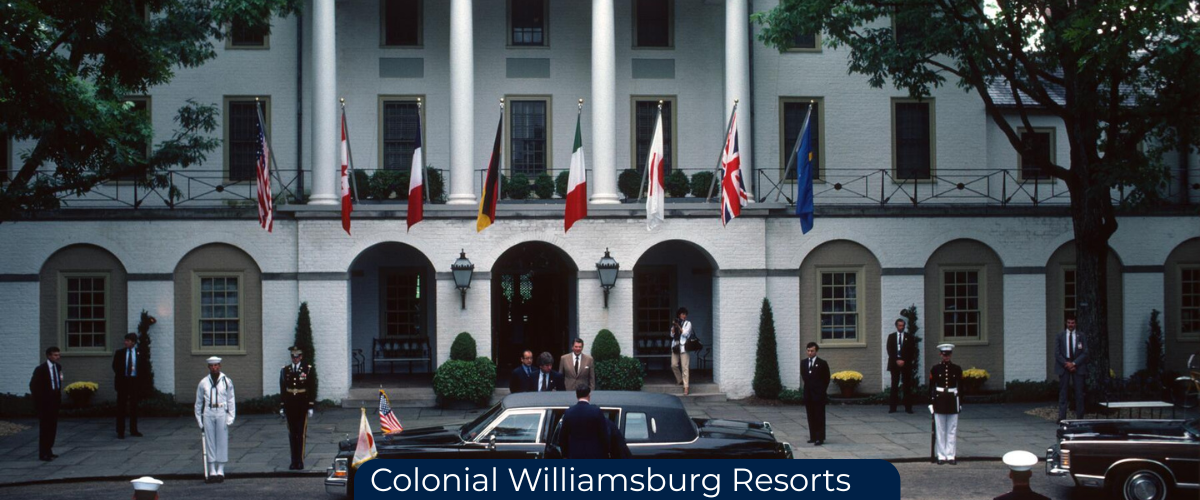
“We are actively marketing the 250th anniversary as a powerful and meaningful backdrop for meetings and events, positioning Colonial Williamsburg as a place where attendees can quite literally walk the streets where the ideas that shaped our nation were debated, refined and set into motion,” Stulen said.
Willard InterContinental is developing a yearlong approach to America’s 250th that reflects the hotel’s witness to U.S. history, said Bezdenezhnykh. Plans include commemorative stay packages, an all-inclusive Independence Day celebration package, history-forward guest experiences and hotel history tours. In addition to the Lincoln and Clay tie-ins, the hotel’s role as a gathering place for presidents, diplomats and changemakers will be on display.
“The focus is on positioning Willard as an ideal place to experience this once-in-a-generation moment, immersed in history, steps from the nation’s celebrations and grounded in authenticity,” she said.
Fairmont San Francisco will approach the 250th “in the same way we approach our own history—by honoring it every day,” Heston said. “Our daily programming, storytelling, and guest experiences consistently celebrate the achievements, resilience, and cultural evolution of San Francisco and the United States.”
The hotel highlights its survival and opening after the 1906 San Francisco earthquake and fire; the 1945 signing of the U.N. Charter, which helped shape modern global diplomacy; and the Fairmont’s legacy as host to U.S. presidents, world leaders and cultural icons.
“These stories are woven into the guest experience through on-property storytelling, guided history moments, and curated touchpoints that reflect our role in history,” she said.
Omni Parker House is planning a series of commemorative experiences to celebrate its 250th anniversary, including historically inspired dinners and storytelling tied to Boston's revolutionary past. They are also highlighting the hotel's role as a gathering place for American thought leaders, the Boston Cream Pie and location on the Freedom Trail, said Porter.
“The history here is very much alive,” she said. “When guests arrive, they can walk straight into our historical gallery and see original newspapers, artwork, and artifacts from across the decades. We’re also adding dedicated history tours on Saturdays—some led by our in‑house historian, others by specially trained guest services staff—so guests can experience the stories behind the walls, not just the walls themselves.”
The hotel also is exploring commemorative experiences that include historically inspired dinners and storytelling tied to Boston’s revolutionary past and the Parker House’s legacy.
“We’re working on giving guests more behind‑the‑scenes access to our historic bake shop, where Boston Cream Pie was born and where figures like Ho Chi Minh once worked,” she said. “It’s a way to connect our culinary legacy with the broader story of the hotel and the city in a really tangible, memorable way.”
Parker House also added a dedicated history page to its website and QR codes on guest room keys so guests can scan and take a self‑guided tour at their own pace.
Omni Homestead is celebrating not only America's 250th birthday, but the resort’s 260th birthday, Swann said. They plan a special Fourth of July event with a big-name performer to be announced soon. The resort is partnering with the Virginia Spirit Association for a Virginia 250 Spirits Dinner in late April.
And the Homestead will celebrate every day.
"This year is also our resort's 260th anniversary, so we have brought back what we did for our 250th,” she said. “Every afternoon we normally would have an afternoon social… but this year, as we did in 2016, we are starting it at 2:50 p.m. and we're referring to it as an afternoon anniversary celebration.”
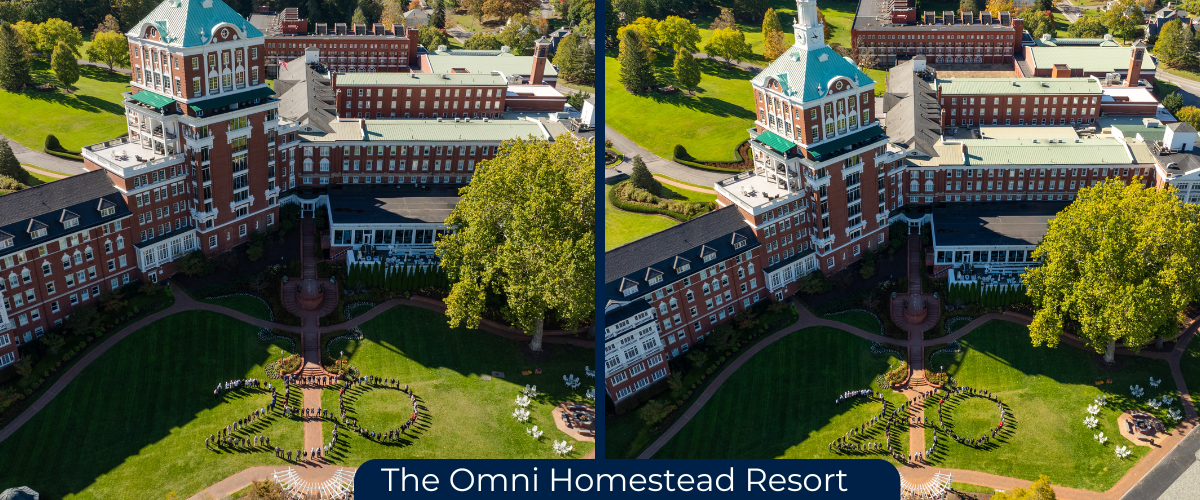
The party features a cake, a guest chosen to blow out the candle, a themed “fun fact” about the property and the singing of “Happy Birthday.”
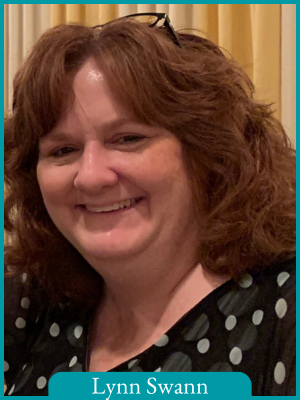
“Whether it's a couple celebrating their 50th wedding anniversary, or someone celebrating their retirement, to have that nice little memory of blowing out the candle is a lot of fun," Swann said.
Maybe even blowing out 250 candles for America.