

Editor’s note: As America celebrates its 250th birthday in 2026, it’s not surprising that music takes center stage. The roots of America’s music history run deep, from country and bluegrass, jazz, the blues, the American musical, to rock and roll and hip-hop. All echo the diversity of the U.S. ALHI hotels have played a role in shaping America’s music and still showcase it today. Learn more in our ongoing series aligned with USA250.
The roots of America’s music tree run deep. The branches growing from it –country and bluegrass, jazz, the blues, the American musical, rock and roll and hip-hop – echo the diversity of the U.S.
As America celebrates its 250th birthday in 2026, it’s not surprising that music takes center stage.
"History isn't just something we read; it's also something we hear,” music historian John Meacham wrote in the 2019 book he co-authored with singer Tim McGraw, Songs of America: Patriotism, Protest, and the Music That Made a Nation.
“There's something about the transporting capacity of music, something about its odd but undeniable ability to create a collective experience by firing our individual imaginations, that's more likely to open our minds and our hearts to competing points of view."
One of the newest tributes to American music opened in June – the Bruce Springsteen Center for American Music at Monmouth University in New Jersey. The brainchild of music historian and center Executive Director Bob Santelli, the museum not only catalogs Springsteen's contribution to American music but also tells its larger history.
"Just to try and tell the story of American music in one place is almost impossible,” Santelli explained in the PBS News special about the new facility. “We had to figure out how to encompass the story of American music in a rather small space, and yet make sure it was relevant, it was accurate and reflective of what Bruce's music is all about.
"At that point was hatched the idea that this would be something more broad than just a Bruce Springsteen Center, that we would tell the story of American music with Bruce Springsteen more or less as its narrator," he said.
ALHI hotels also have played a role in shaping America’s music, and some still showcase it today.
In 1861, author and activist Julia Ward Howe was inspired while staying at the Willard InterContinental in Washington D.C. to write the lyrics to “The Battle Hymn of the Republic,” one of the nation’s most recognizable patriotic songs. Her connection to the hotel is still important to Willard’s cultural legacy, and one of the hotel’s newly restored signature suites honors her contributions.
Newport Harbor Island Resort in Rhode Island has long been linked to Newport’s rich musical culture and legacy as a venue for distinctly American music. The resort is minutes from the Newport Folk Festival and Newport Jazz Festival, both held annually at Fort Adams State Park.
Since their beginnings in the 1950s, the two festivals have played a defining role in American music history, helping shape jazz, folk, blues, Americana and rock and roll. Duke Ellington, Ella Fitzgerald, Miles Davis, Bob Dylan, Johnny Cash, Joan Baez and many others have performed in Newport.
American Music History
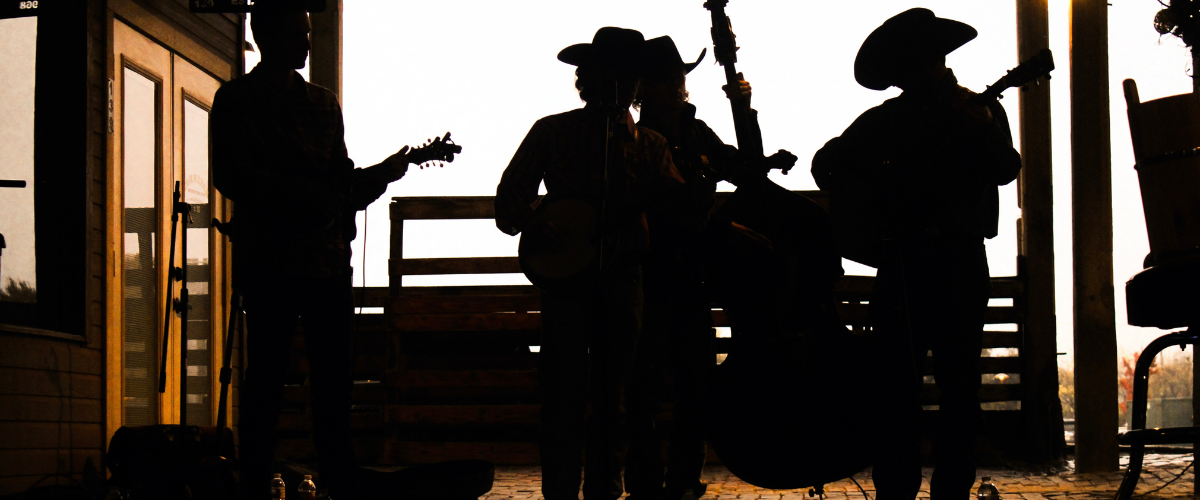
Music historians generally recognize six genres of American music, with the Black experience a thread running through all of them.
Country music and its cousin bluegrass developed in Appalachia, following the folk traditions of Irish, Scottish and English immigrants who infused it with touches of African American gospel music. The fiddle, banjo, mandolin and acoustic guitar backed vocal harmonies and stories about the working class, rural life and faith – topics still covered in country music today. As song recording became more common in the 1920s, Jimmie Rodgers became known as the “Father of Country Music” from the Bristol Sessions in Tennessee in 1927.
Then came the blues. Originating in the Mississippi Delta the Deep South in the late 19th century, African Americans enduring the hardships of post-Reconstruction, sharecropping and segregation created the 12-bar chord progression, the call-and-response format and raw lyrics of struggle, heartbreak and resilience. Just like country music, records in the 1920s featured seminal blues artists like Mamie Johnson, Blind Lemon Jefferson and Robert Johnson. The blues also set the stage for the 20th century explosion of rock and roll and hip hop.
In between, jazz, America’s classical music, was born in New Orleans at the turn of the 20th century, expressing both American individualism and collaboration. The Crescent City’s melting pot of African, Caribbean, French and Spanish cultures led musicians to improvise swing rhythms and blue notes from soloists who simultaneously adapted to the collective group’s sound. Louis Armstrong came out of the New Orleans jazz scene in the 1920s and is universally recognized as America’s first great jazz musician.
The early to mid-20th century brought America the modern musical theater tradition, maturing on Broadway in New York City. Theatrical music like opera had long existed in Europe, but America’s original take integrated a script with music and traditional American songwriting. Songs and choreography drove plot and character development. Historians consider Jerome Kern and Oscar Hammerstein II's “Show Boat” in 1927 the first great American musical because it was the first major production with a serious, cohesive story woven together with songs.
In the late 1940s and early 1950s, the music that changed the world combined jump blues and rhythm and blues with country and western swing. The driving backbeat, electric guitar and rebellious, high-energy delivery were innovated by Chuck Berry, Little Richard, Fats Domino and Bo Diddley. Elvis Presley, Buddy Holly, Jerry Lee Lewis and Carl Perkins followed in their footsteps, launching the massive cultural music shift that started to break down racial barriers among teenagers and young adults and symbolized teenage rebellion and counterculture.
Born in the South Bronx in the 1970s, hip-hop is America's youngest globally dominant musical genre. Created by Black and Latino youth with limited resources who nevertheless built a cultural movement, hip-hop was pioneered by disc jockeys like DJ Kool Herc, who hosted the first “block party” in 1973. The earliest emcees, DJs and recording artists morphed from those block parties into global commercial acts by the late 1970s. Hip-hop’s scratching and mixing records, rapping and clever lyrics, rhythm and poetry began like jazz and the blues — innovating by using what is available, re-engineering it and giving voice to marginalized communities.
"Hip-hop music has always been a temperature taker of American society,” said Jeffrey McCune, Director of Black Studies at the University of Rochester in an article about American music history. “Music has never been just a reflection of the nation; it has been one of the ways the United States defines itself."
All That Jazz
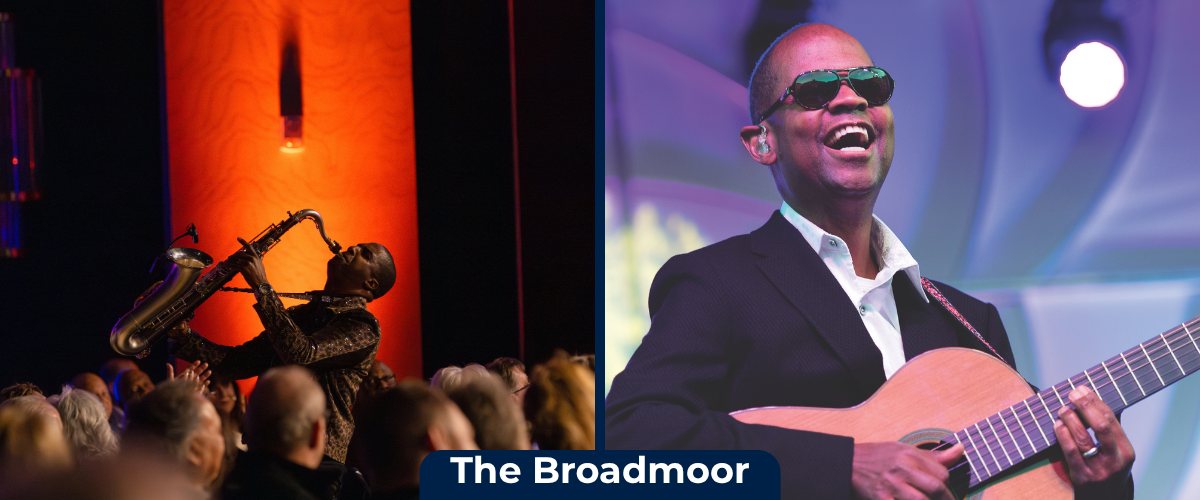
ALHI hotels offer a wide variety of music and history, and jazz has become part of the identity of The Broadmoor in Colorado Springs.
Earl Klugh’s Weekend of Jazz has been held at The Broadmoor since 2004, bringing together major artists like George Benson, David Sanborn, Jonathan Butler and Richard Elliot. Returning names such as Boney James, Chris Botti, Jeffrey Osborne and Spyro Gyra are audience favorites. The 2026 lineup featured Klugh, Kenny G James, Al Di Meola, Peter White, Mindi Abair, Vincent Ingala and The War and Treaty – broadening from jazz into a wider American sound.
In recent years, Victor Glover Sr. has been a guest of Weekend of Jazz as his son, Victor Glover Jr., became part of American history through NASA’s Artemis II mission.
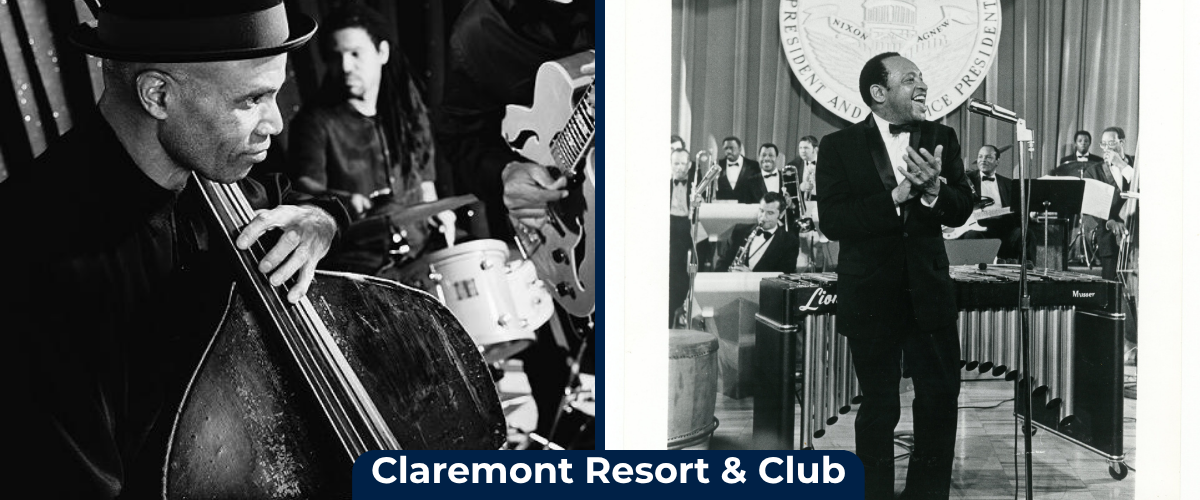
In the San Francisco Bay area, the Claremont Resort & Club is closely tied to the golden age of live entertainment. During the rise of the Big Band era, the hotel hosted live music featuring jazz greats Armstrong and Count Basie. During the 1930s and 1940s, Claremont was a cultural gathering place with live radio broadcasts, ballroom dancing, jazz performances and society events. The property's history as a jazz and big-band destination helped earn its reputation as the "White Castle on the Hill." Claremont still hosts live music on Tuesday and Saturdays and seasonally poolside on Fridays.
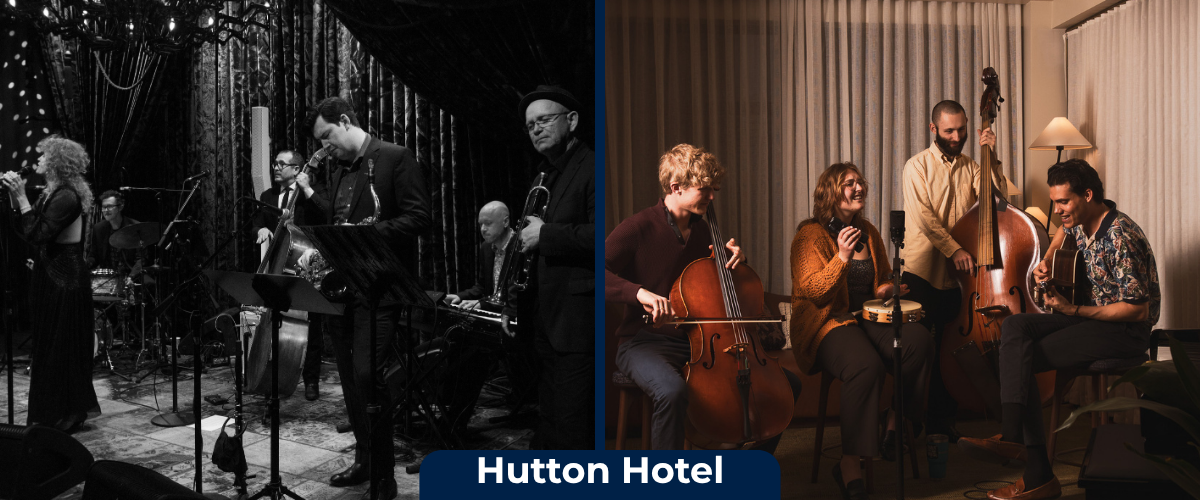
Hutton Hotel in Nashville has a mission to showcase modern jazz, hosting artists and ensembles at the immersive Analog, one of the city’s premier live music venues. Past performances have included Yayennings from the GRAMMY-winning group, Snarky Puppy; a jazz super group made up of GRAMMY-winning producer Mike Elizondo, drum legend Keith Carlock, guitar phenom Ryan Scott and renowned bandleader Jon Cowherd; and vocals and storytelling of Sarah Aili’s tributes to Ella Fitzgerald and Frank Sinatra.
The Hutton also hosts an annual fundraiser with Jazz Empowers, a national nonprofit dedicated to preserving jazz through education and an exclusive engagement with the Oscar Peterson Centennial Quartet honoring the jazz pianist’s legacy.
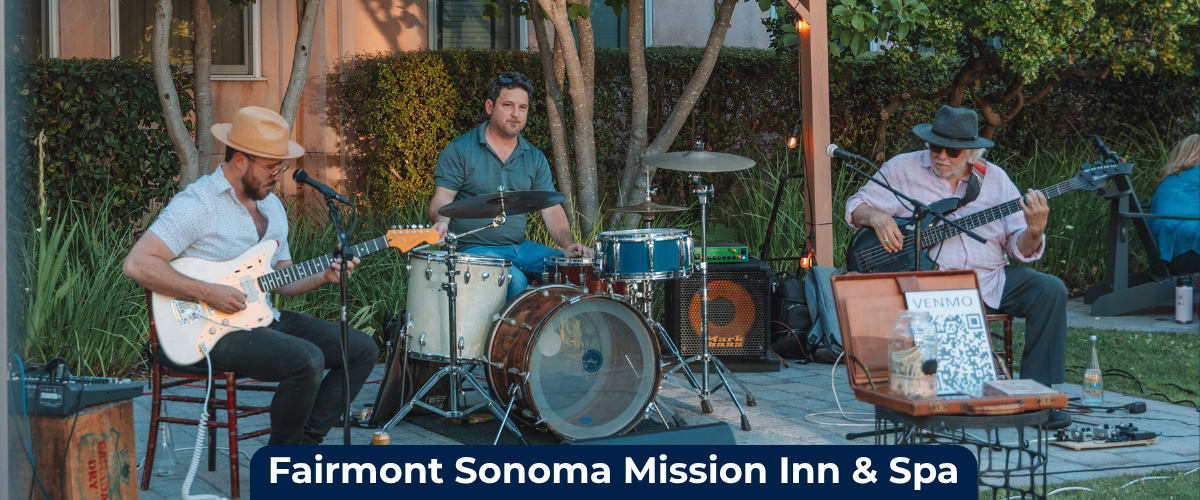
The word “jazz” was part of Northern California baseball culture during spring training in Sonoma County in the early 1910s, when the term was reportedly used by West Coast ballplayers to describe energy, spirit and vitality, according to the Fairmont Sonoma Mission Inn & Spa. The resort continues that heritage with its Summer Music Series every Friday night from May through September, with jazz, blues and soul played by local bands.
Rocking and Rolling
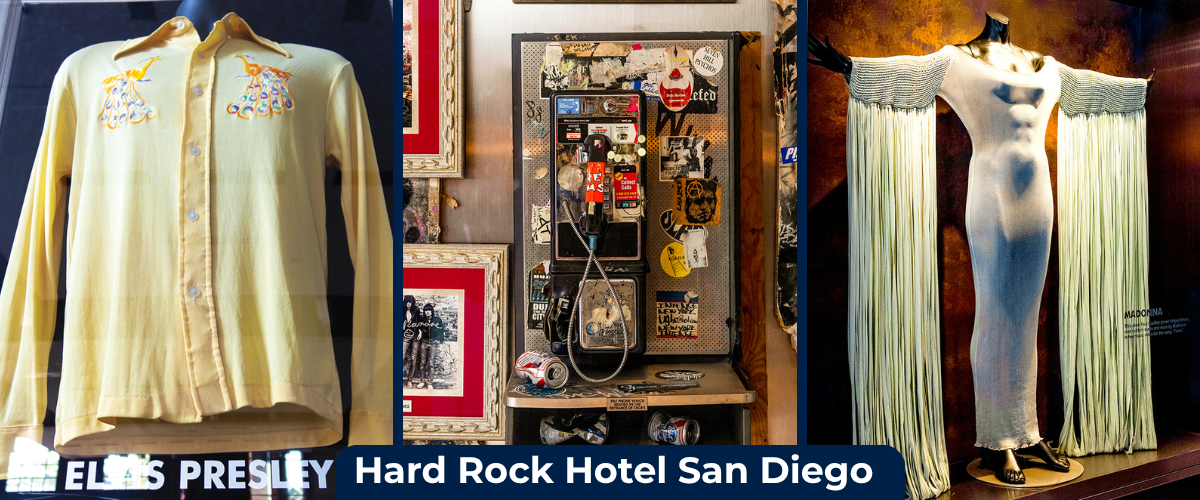
Hard Rock Hotel San Diego has hosted performances by the Black Eyed Peas, Prince, Lil Jon, Steve Aoki, Morgan Wallen and others. The hotel features museum-quality, uniquely curated displays of iconic artist memorabilia throughout its public spaces.
Among the memorabilia being exhibited in 2026 include an Elvis Presley telegram to the Beatles from 1964, guitars belonging to Tom Petty and Stevie Ray Vaughan, Deep Purple’s drums and handwritten lyrics by Jimi Hendrix, the Beatles and Joe Walsh. Costumes worn by Janis Joplin, Madonna, Gwen Stefani and Steven Tyler are also among the dozens of items on display.
Guests are granted an "All-Access Pass" allowing them to rent authentic Fender guitars delivered to their room or check out a collection of vinyl records to play on in-room Crosley turntables. The Hard Rock has 420 musically inspired guest rooms and event spaces named Abbey Road, Encore and Legends.
Sahara Las Vegas also has a legendary music history, hosting Presley and Judy Garland. Frank Sinatra, Dean Martin and other members of the Rat Pack hung out at the hotel to watch their fellow performers. The Beatles also stayed at the Sahara during their 1964 American tour.
In 1953, actress and singer Marlene Dietrich headlined the resort for $35,000 a week and made headlines for defying segregation policies by linking arms with Black performers like Lena Horne.
ALHI Hotels and Music
Other ALHI hotels lean heavily into live music.
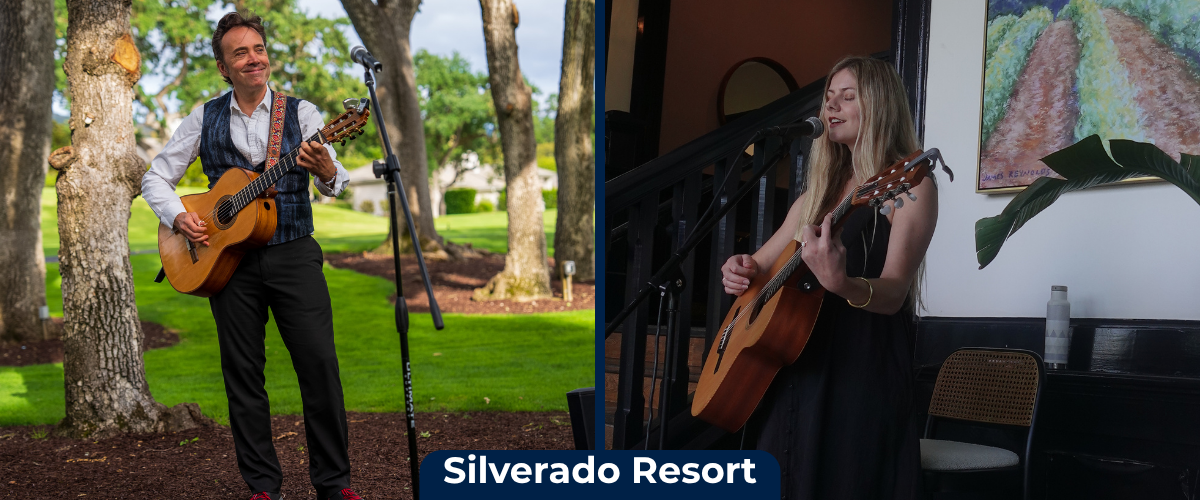
Silverado Resort in Napa, Calif., hosts two complimentary live music series on the grounds of the historic Mansion with programming leaning into American genres of jazz, blues and folk. Music at the Mansion Bar runs year-round on Fridays and on Friday evenings. Music on the Mansion Lawn is a Thursday concert series during the summer.
Hotel Van Zandt in Austin – the city known as the live music capital of the world – hosts live music performances by local artists Thursday-Sunday in its restaurant, Geraldine’s.
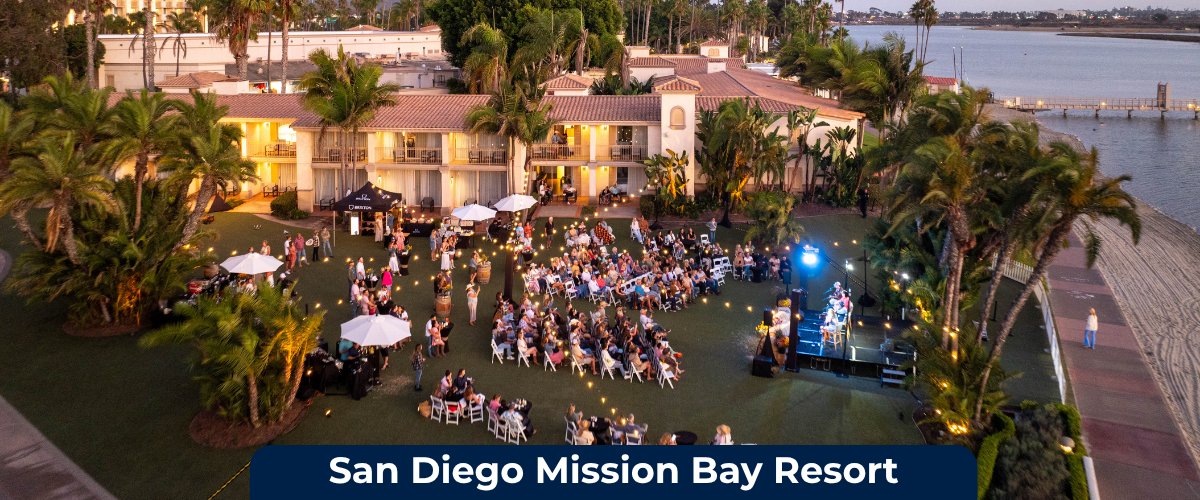
San Diego Mission Bay Resort in 2026 is presenting the By the Bay Concert Series, live waterfront concerts and themed nights under the stars on Mission Bay.
Learn More About American Music History
-
Music America: Iconic Objects from America's Music History: Curated in part by the Bruce Springsteen Archives & Center for American Music, this traveling exhibit at the George H.W. Bush Presidential Library in College Station, Texas, through Jan. 6 features over 150 artifacts, including late 18th-century hymnals, Bob Dylan's harmonica and outfits from Elvis Presley, Jimi Hendrix and Lady Gaga.
-
Two Mississippi Museums: In Jackson, Miss., this institution's Mississippi Made exhibit spans more than two centuries, detailing the state's monumental musical legacy with artifacts from B.B. King, Leontyne Price and Elvis Presley.
-
Stax Museum of American Soul Music: Located on the grounds of the original Memphis studio, Stax explores soul, gospel and the Mississippi River's influence on shaping America's music.
-
National Museum of American History: The National Museum of American History in Washington, D.C., offers rotating galleries dedicated to American music, featuring treasures like Duke Ellington’s piano and early brass instruments from the founding era of the country.
-
Country Music Hall of Fame and Museum: The Nashville, Tenn., museum highlights the roots of folk, bluegrass and country as quintessential American storytelling mediums.
-
GRAMMY Museum Mississippi: The Cleveland, Miss., museum explores the history and cultural impact of various musical genres born out of the Mississippi Delta.
-
National Museum of African American Music: This museum in Nashville tracks over 50 genres and styles, honoring how African American creators built the foundational pillars of nearly all American music.
-
Rock & Roll Hall of Fame: The Cleveland, Ohio, museum celebrates the post-WWII evolution of rock, roll and rebellion that redefined American youth culture globally.
-
Motown Museum: Highlights the legacy of Hitsville U.S.A., and how Detroit’s legendary studio broke down racial barriers and produced the "sound of young America."