

At Silverado Resort in Napa, Calif., bartenders craft a special house “Arbor Martini” that’s zero-proof. The base of the drink is Silverado Citrus, a cross-pollinated hybrid of blood orange and grapefruit that grows on the resort’s grounds. The fruit is picked, juiced and clarified to remove the pulp, yielding a bright pink juice. Light and naturally sweetened, it’s stirred with ice and served in a chilled martini glass, finished with an expressed citrus peel to heighten the aromatics.
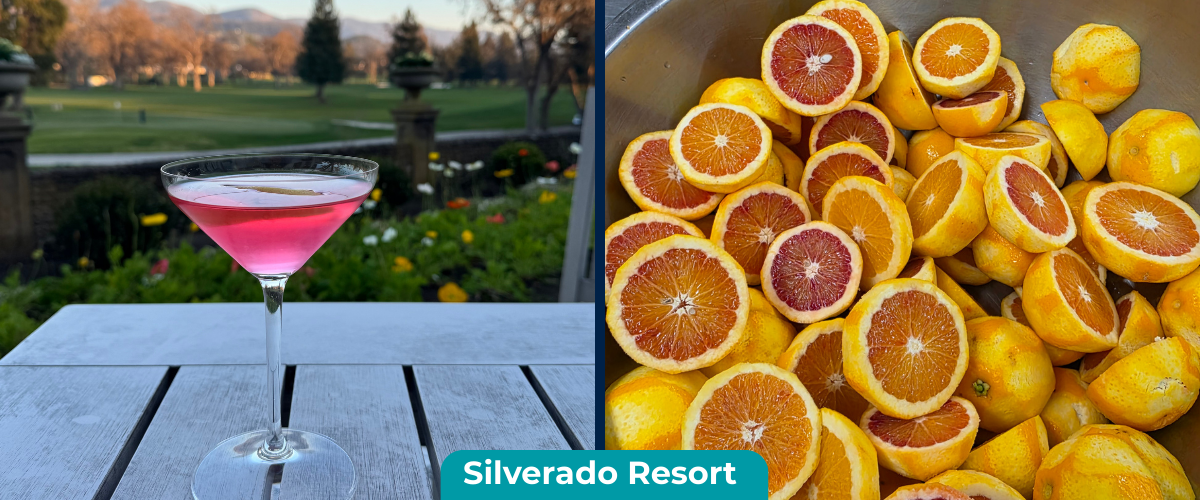
"The Arbor Martini reflects a broader philosophy at Silverado: That non-alcoholic offerings deserve the same creativity, craft and presentation as their spirited counterparts,” says Tim Healy, the Beverage Manager at Silverado Resort.
In this case, it’s hyper-local sourcing and a thoughtful format that elevates the drink into something special to toast.
As bartenders devote more creativity to zero-proof menus, they’re also helping reshape drinking culture. The share of U.S. adults who say they consume alcohol has fallen to 54%, which is the lowest level recorded in nearly 90 years of trend tracking by Gallup, according to an August 2025 report.
Even among people who do drink, habits are evolving. Just 24% of drinkers say they had alcohol within the past 24 hours—a record low—while 40% report it’s been more than a week since their last drink, the highest share since 2000, according to Gallup.
Industry analysts are taking note of a pattern they’re calling “zebra striping,” where people alternate between alcoholic and alcohol-free beverages during a night out. The shift also signals something else: Zero-proof cocktails are no longer reserved for teetotalers. For bartenders, that means moving well beyond dressed-up lemonades and simple juice blends.
For hotels and resorts, the changing habits are opening the door to rethink the guest experience—from welcome mocktails at check-in to thoughtfully composed non-alcoholic pairings during multi-course dinners that rival traditional wine or cocktail pairings.
Ahead, discover how beverage teams across the Associated Luxury Hotels International portfolio are reimagining their bar programs for this new era of drinking.
Elevating the Alcohol-Free Experience
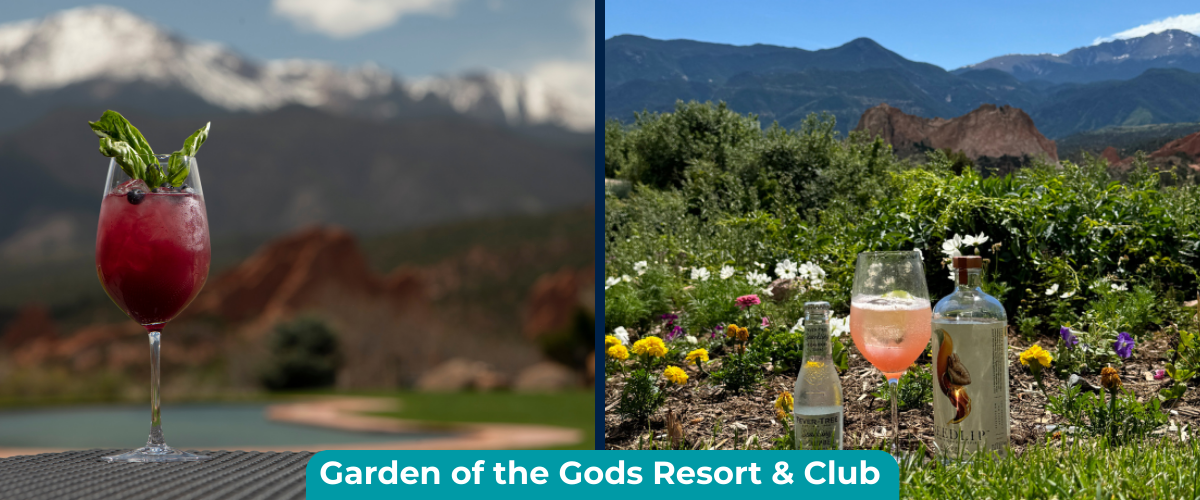
At Garden of the Gods Resort & Club in Colorado Springs, Colo., the non-alcoholic experience can begin the moment guests check in. Depending on the season, they may be welcomed with spiced cider in the winter or bright agua frescas and garden-inspired mocktails in warmer months.
The resort extends this philosophy into its dining programs as well. In addition to a top shelf dry bar menu, every wine dinner and special tasting menu includes thoughtfully curated non-alcoholic pairings crafted with seasonal shrubs and house-made syrups.
Helping to lead the charge is lead bartender Phil Vaglica, who has spent 15 years behind the bar. Today, Vaglica no longer drinks alcohol himself. He says stepping away from spirited beverages allows him to perform better—both in life and behind the bar.
With years of experience, he no longer needs to taste traditional cocktails as he prepares them. Instead, he relies on precision, mixology theory, and the cocktail’s aromatics. His goal is to ensure every guest—whether drinking alcohol or not—feels equally considered. He also aims to create a fully inclusive beverage experience in the dining room, where every guest can enjoy something crafted specifically for them.
Vaglica has noticed a significant shift in demand toward alcohol-free options, and, for many, it’s driven by wellness and health considerations.
“We want to ensure that everyone who walks through that door has no shortage of options, even in our traditional menus we focus on fresh ingredients, minimally processed spirits and non-artificial sweeteners,” he says. “So, whether they are trying to stave off altitude sickness, attending business functions, enjoying time with their family or simply want to make sure they get a good night’s rest, we craft beverages that fit all of their needs without any repercussions.”
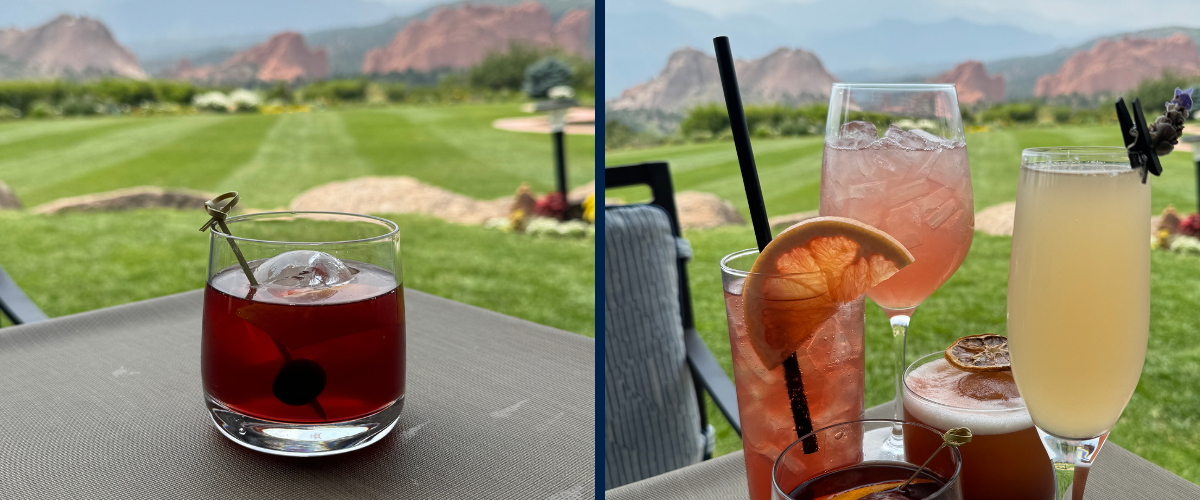
One standout example nods to Colorado’s love of bourbon. The resort developed a spirit-free “New Fashioned,” its interpretation of a classic Old Fashioned. Replicating the cocktail without alcohol is particularly challenging given its typically high-proof structure and layered flavor profile, Vaglica explains.
“We used a multitude of different N/A ingredients that carry the subtle sweetness of brown sugar, bitter orange, warm cinnamon, dark cherry and hints of oakiness,” he says. “So, while it doesn’t quite have the bite that you get from alcohol it carries a lot of the sensory notes of a traditional Old Fashioned.”
More Ways Hotels Lean into Creative Zero-Proof Programs
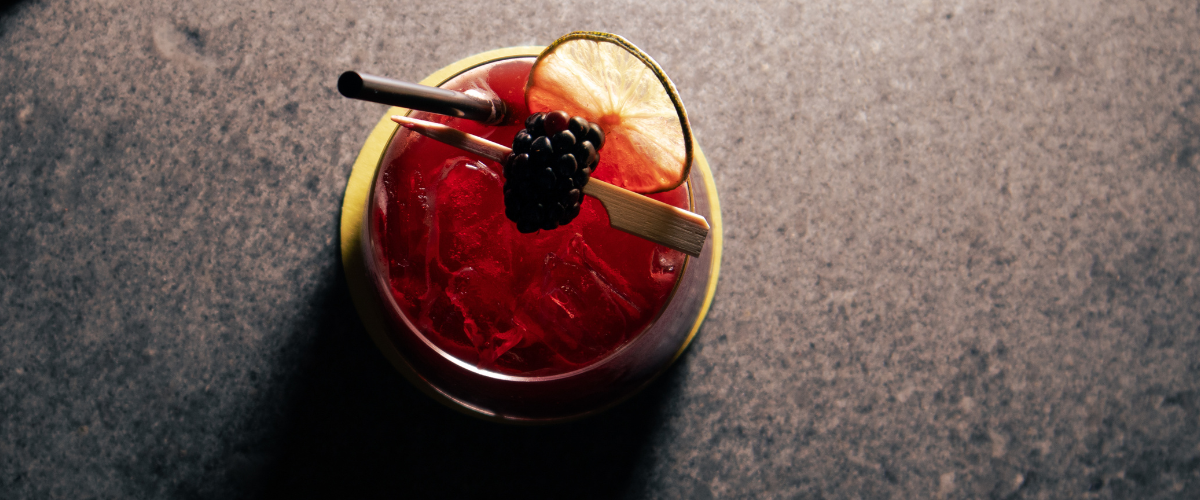
Garden of the Gods is not alone in expanding alcohol-free offerings. Across the country, hotels are investing in creative zero-proof cocktails that deliver the same level of presentation and flavor complexity as their spirited counterparts.
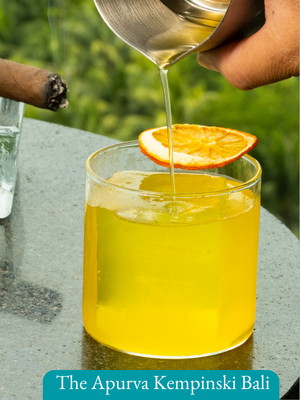
At The Apurva Kempinski Bali, the bar team has created a signature cocktail rooted firmly in place: The Exotic Temptation, a zero-proof drink that draws its character from the rich legacy of Indonesia’s spice heritage.
At its heart are two handcrafted syrups that capture the duality of the archipelago’s flavors. The first is a spiced syrup, a tribute to the historic spice routes that once shaped the world. Cinnamon, cloves and star anise are gently simmered to create a dark, aromatic base for the cocktail, layering warmth with a subtle licorice-sweet finish.
Balancing the spice is a turmeric syrup, which lends the drink its vibrant golden glow. Earthy and herbaceous, it’s brightened with the sharp acidity of fresh lime and softened by the delicate floral sweetness of honey.
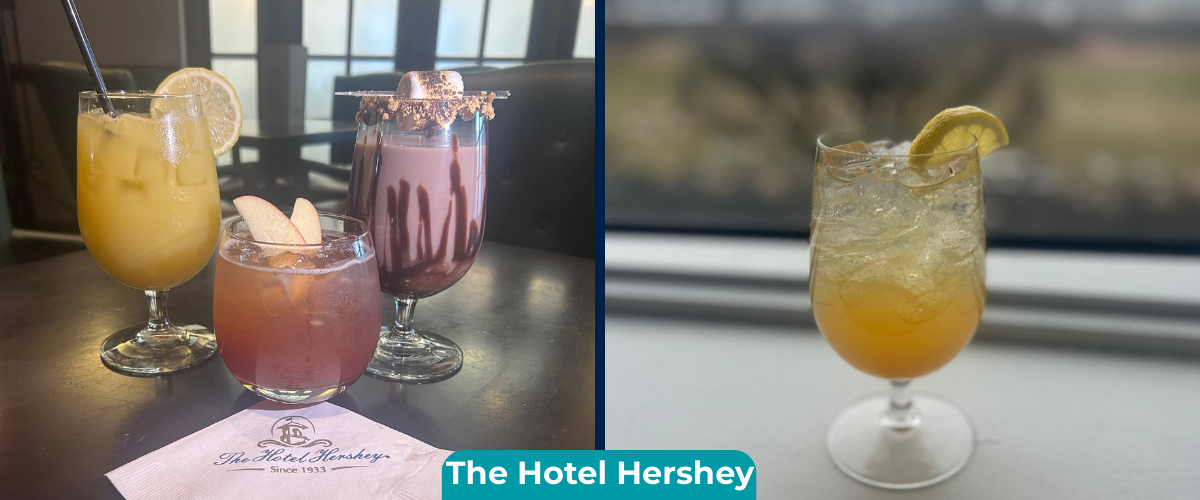
At The Hotel Hershey in Pennsylvania, for example, mocktails lean into the property’s chocolate heritage. Drinks include a Chocolate S’mores Mocktini with a graham cracker rim and toasted marshmallow garnish, as well as a Faux-jito made with non-alcoholic rum, fresh mint, mint syrup and chocolate bitters.
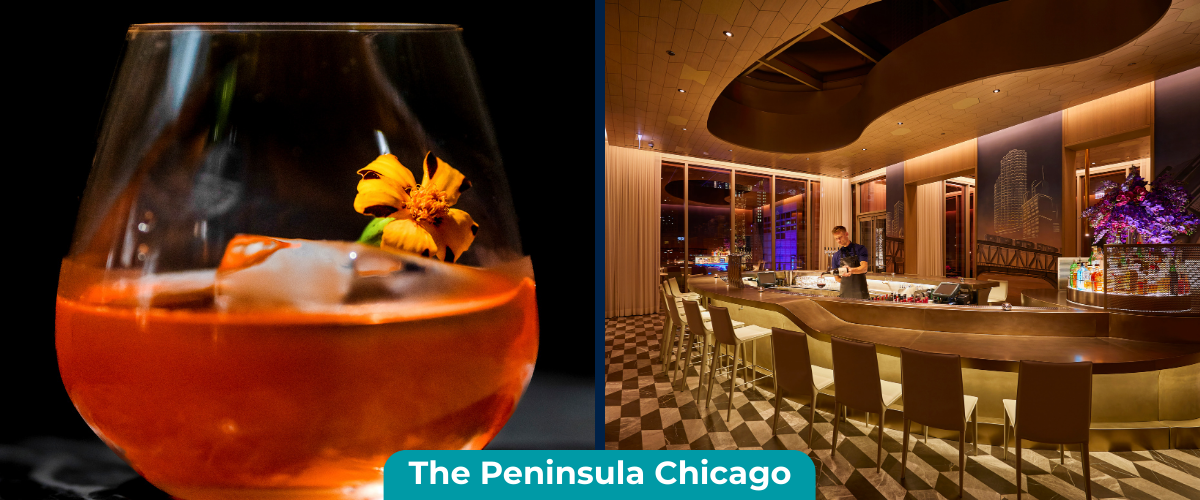
Presentation is also a priority. At The Peninsula Chicago’s Z Bar, bartenders elevate alcohol-free cocktails with thoughtful garnishes, such as a tiramisu foam topping a non-alcoholic espresso martini.
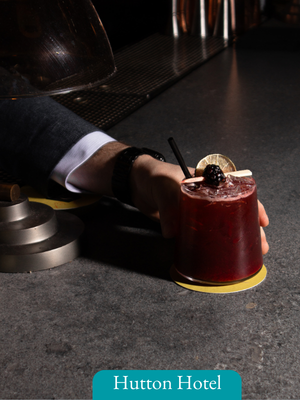
Meanwhile, at Nashville’s Hutton Hotel, the beverage program pays tribute to Music City. Drinks are named after iconic songs and lyrics, including the “Clare De Lune,” made with a blackberry-grapefruit shrub, lime and a non-alcoholic aperitif.
Low-ABV Options Gain Momentum
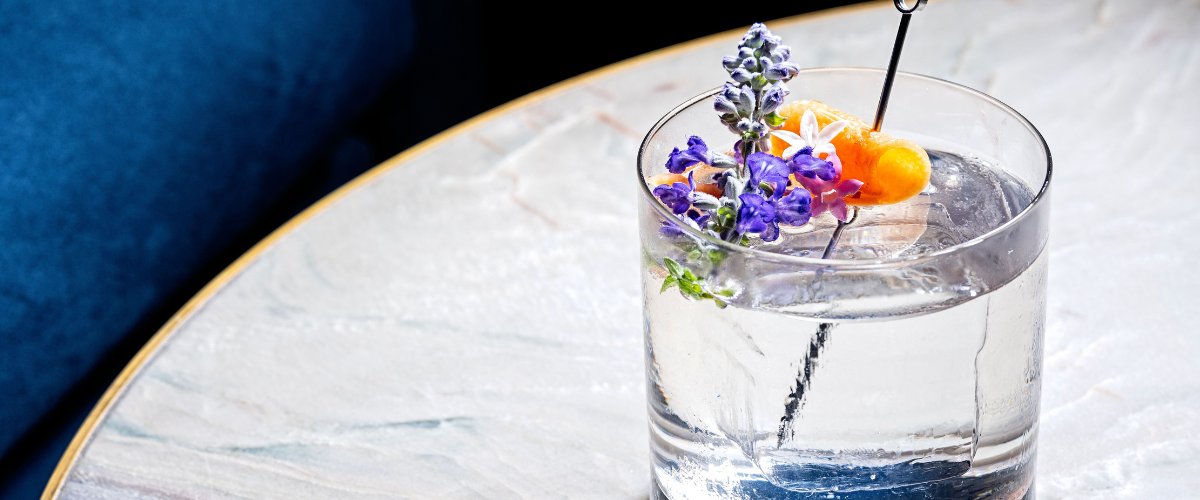
Today’s tipplers aren’t just seeking fully alcohol-free drinks—they’re also gravitating toward beverages with lower alcohol by volume. Many hotel bars are responding by building menus that make room for lighter options alongside traditional cocktails and zero-proof renditions.
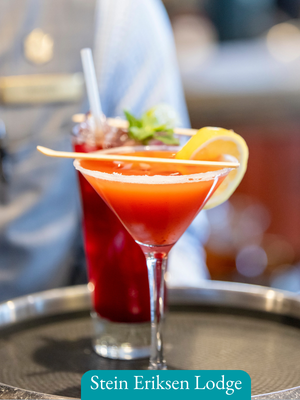
At Stein Eriksen Lodge, a mid-mountain retreat at Deer Valley Resort in Park City, Utah, low-ABV choices are clearly highlighted on the beverage menu, with offerings such as cider spritzes and berry spritzes designed for guests who want something refreshing without the intensity of a full-proof cocktail.
In Washington, D.C., the demand for moderation is especially notable.
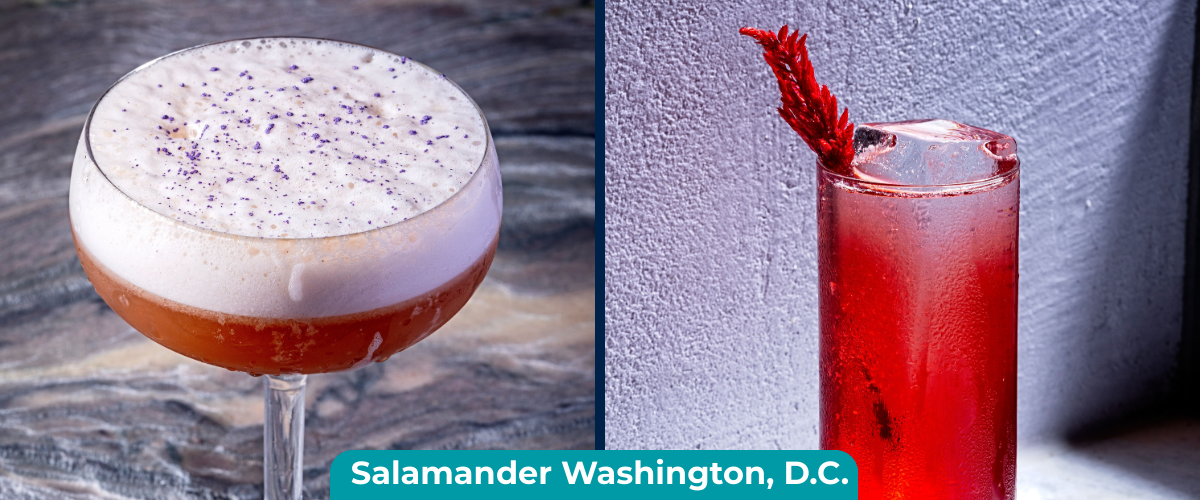
“In a city known for brokering deals over mid-day martinis, seeking common ground over happy hour spritzes, and celebrating late night election results with a round of shots, Washington D.C. has quite a reputation,” says Michael Woods, General Manager of Dōgon, Chef Kwame Onwuachi’s African and Caribbean restaurant at Salamander Washington, D.C. At the same time, he notes, Washington, D.C., consistently ranks among the healthiest cities in the country, where balance and mindfulness increasingly shape beverage choices.
During concept development, that juxtaposition influenced the team’s approach to hospitality. “The responsibility of providing Salamander guests with an inclusive, personalized experience resulted in the curation of a specialty non-alcoholic menu which we named ‘Low and No,’” Woods explains.
To bring the program to life, the restaurant partnered with local hospitality veteran and nationally acclaimed leader in the mindful drinking movement, Derek Brown. Together, they developed recipes designed to mirror the flavor profiles of full-proof cocktails.
For example, for the Sigi Tolo Rickey, a variation of a D.C. classic with Caribbean flair, the team opted for a botanical distillate like Fluère Spiced Cane (a dark rum alternative) to provide the warmth and bite of molasses for this otherwise tart and refreshing sipper.
The Next Chapter: Going Beyond Mocktails
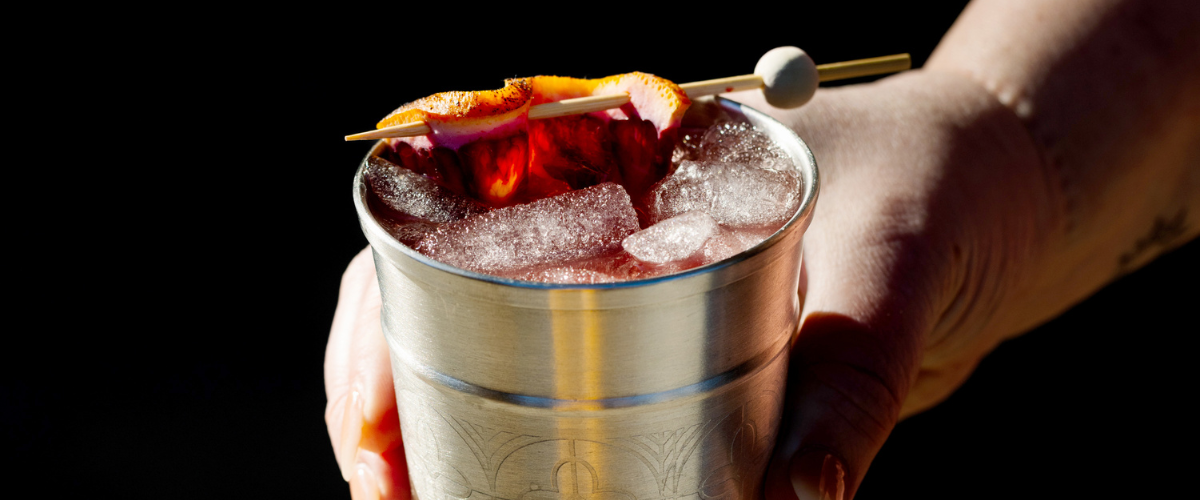
Mocktails have grown up thanks in a large part to the high-quality bottles of zero proof spirits. They’re more nuanced, too. For instance, bar teams can build something with Lyre’s orange liqueur alternative, which does a better job of mimicking a curacao’s oil and peel flavor versus the sweet juiciness you’d get from orange juice and works fantastic in tropical cocktails.
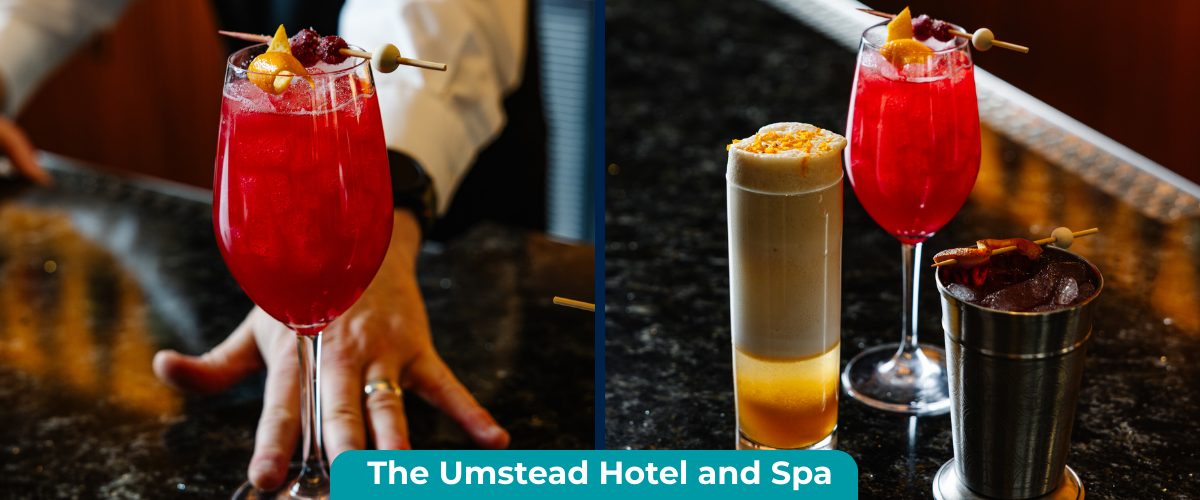
But in addition to mocktails, hotel bars around the world are also experimenting with new formats altogether. At The Umstead Hotel and Spa in North Carolina, for example, drinking vinegars are served over ice and finished with soda water, crafted with custom vinegars based on seasonal ingredients.
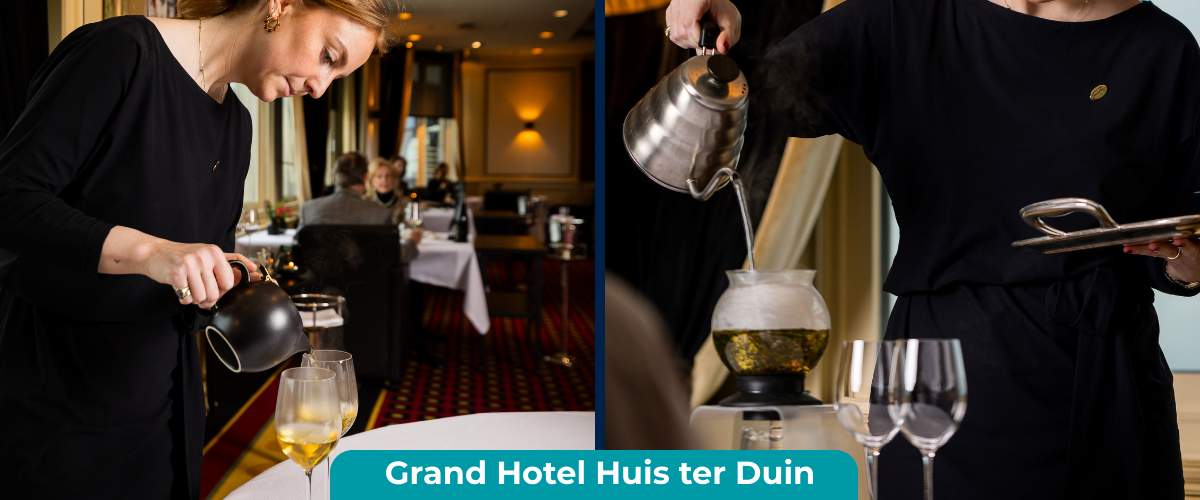
In the Netherlands, at Grand Hotel Huis ter Duin, the team at the one-Michelin-starred Restaurant Latour set out to seamlessly integrate zero-proof beverages into the gastronomic experience. Working with their tea partner, Kiona, they developed a series of tea pairings designed to elevate each dish while receiving the same ceremony and attention typically reserved for wine.
The teas are served in wine glasses and poured tableside, reinforcing the ritual of traditional pairings. A small bowl containing the infused tea leaves is also placed on the table, allowing guests to see and smell the pure product before tasting.
One example is a dish of potato, seaweed, and caviar paired with Da Hong Pao, a prestigious oolong tea from China’s Wuyi Mountains. Known for its deep umami notes, subtle nuttiness and earthy character, the tea mirrors and enhances the dish. Its earthy tones complement the Opperdoezer potato, while its mineral, silky structure aligns beautifully with the salinity and elegance of the caviar.
The result is a pairing that feels harmonious, layered, and gastronomically complete—demonstrating that non-alcoholic pairings can be just as profound, structured and expressive as traditional wine pairings.